Hypnosis For Weight Loss And Recovery From Illness – Does It Really Work


Hypnosis for Weight Loss and Recovery from Illness as an Idea is quite an Interesting one. Hypnosis is often misunderstood. It isn’t some kind of magic spell that can make unwanted belly fat disappear or some miracle cure to heal the body from its aches and pains.
Instead it works in a very real way and what research shows is it can influence how we think, behave, and respond to stress, and other factors which has a powerful impact on both Weight Management and Healing.
At its core, Hypnosis is a focused state of mind, kind of like when you get lost in a good book or your favourite song.
When used thoughtfully, hypnosis can support both weight loss and recovery from illness by addressing underlying subconscious patterns and emotional stress.
What Is Hypnosis, Really?
The history of Hypnosis goes back centuries, with roots in ancient practices and later finding its way into modern psychology.
People used it for all sorts of things, from spiritual rituals to healing therapies.
Hypnosis is a deeply relaxed, focused state of mind where your subconscious becomes more open to positive suggestions. Contrary to myths, you’re not asleep, not controlled, and fully aware of what’s happening.
Hypnotherapy uses this state to help you:
- Break unhelpful habits
- Reduce stress and emotional triggers
- Strengthen self-belief
- Build new, healthier patterns of thinking and behaviour
Hypnosis For Weight Loss And Recovery From Illness

Affiliate Disclaimer: This website contains affiliate links. As a partner of affiliate programs, I may earn a commission from qualifying purchases. This comes at no extra cost to you. All recommendations are based on personal research, experience, and genuine belief in the product’s value. Find Out More Here
Research on hypnotherapy for weight loss is still growing — but the findings are encouraging, especially when hypnosis is used as part of a broader behavioral program.
- A controlled trial found that hypnotherapy combined with stress reduction helped obese patients maintain more weight loss at 18 months, compared to just receiving dietary advice. PubMed
- In another study, hypnotherapy over 10 weeks led to statistically significant reductions in BMI, plus changes in appetite-regulating hormones: leptin went down, while adiponectin and irisin increased. PubMed
- A pilot RCT also looked at not just weight, but quality of life in people with obesity: after hypnosis + nutrition education, participants improved their coping, reduced emotional coping, and reported more energy (less fatigue). PubMed
These results suggest that hypnosis doesn’t just help people eat less — it helps them change how they relate to food, stress, and their own body.
Still, most research shows that hypnosis works best as a complementary therapy, not a standalone “weight-loss cure.” Healthline, Hum Nutrition & Heal.me
My Own Perspective of Hypnosis

For me the really Interesting thing about Hypnosis is how it may help change bad habits. Including unhealthy eating and our perception of what actually is our own good or bad health. The latter I really started thinking about a lot after reading Michael Talbots Book The Holographic Universe.
His theory is a quite meta one. He makes examples such as patients that are being told they are going to die. People who in post mortem exams are found to NOT have actually died from the illness they said they had but simply as a result of just being told they are going to die.
It’s like just this belief that you are going to die can be fatal. Many people never survive such grim news – and it’s a good point to make for anyone reading – if anyone ever says this to you remember you control your own destiny and not them. It’s not them that kills you it’s your very own programming. That is his theory.
The placebo effect too he writes about. How in trials where they have replaced sugar pills with medication for people currently being treated for serious health conditions. They work in exactly the same way and basically only just because the participant in the trial believes they are taking the real medication.
It really does lay some credence to how much just our train of thought has the ability to heal. It is very much what we manifest into our reality (the law of attraction). In many ways just our thoughts alone hold the key to everything.
Like with weight loss for example – this is rarely just about food and how much we eat — mindset, emotions, and stress all play a huge role. Having more control of these things is really where the magic starts to happen and this is exactly where hypnosis starts to show promise>>
How Hypnosis Can Help with Weight Loss Explained
1. It Can Help Reduce Emotional Eating
Many people overeat due to stress, boredom, anxiety, or habit. Hypnosis helps address the root emotional triggers behind cravings.
2. It Supports Appetite Control
Some studies show hypnosis may influence appetite hormones like leptin and adiponectin, meaning you may feel fuller sooner and have fewer urges to snack.
3. It Improves Long-Term Weight Maintenance
One of the strongest findings across studies is that hypnosis helps people stick to healthy behaviours longer — something diets alone rarely accomplish.
4. It Strengthens Motivation & Habit Change
Hypnosis reinforces inner motivation so healthier choices feel more natural and less forced.
Key Research Highlights
- People who regularly practiced self-hypnosis lost more weight and had better appetite control than those who didn’t.
- Hypnotherapy combined with diet & exercise produced better long-term results than lifestyle changes alone.
- Hypnosis has been shown to reduce leptin (a hunger-increasing hormone) and improve satiety in obese individuals.
While hypnosis isn’t a quick fix, it can be a valuable tool for building a healthy, sustainable weight-loss mindset.
Sign Up Here For Free Weight Loss Hypnosis MP3 from Inpire3 Hypnosis Bootcamp
Utilizing Hypnosis for Recovery from Illness: Assessing Its Efficacy

Now, this is the thing that I am really fascinated by – Hypnosis for Recovery from Illness from a Psychosomatic Angle. The idea that the mind can influence, trigger, or intensify physical symptoms.
Whilst this might sound wrong to some people, it really is not. Psychosomatic responses are well-documented in medicine. Stress alone is a powerful example: when the mind perceives threat, the body responds with a cascade of stress hormones. If this happens repeatedly, it can disrupt sleep, digestion, immunity, appetite, blood sugar, and even pain sensitivity.
In other words, the way we think and feel can directly affect how our body functions.
Many people understandably defend the reality of their symptoms — and those symptoms are real. Psychosomatic does not mean “imagined.” It means that the mind is participating in the creation or amplification of physical sensations. And because the mind plays a role, it also means the mind can be part of the solution.
This is where hypnosis becomes particularly intriguing.
How Hypnosis Fits Into Psychosomatic Healing
Hypnosis works by guiding the mind into a deeply relaxed and suggestible state where stress patterns soften and subconscious beliefs can be reshaped. In psychosomatic conditions — where emotional tension, fear, or unresolved stress may be feeding physical symptoms — this can be especially valuable.
Through hypnosis, individuals may:
- Reduce the chronic stress that fuels physical symptoms
- Interrupt negative thought loops that magnify pain or fatigue
- Reinforce beliefs of safety, calm, and healing
- Reprogram subconscious patterns that contribute to physical tension
- Shift from a fear-based mindset to a recovery-focused one
Even simple suggestions such as “My body is healing,” or “I am calm and safe,” can shift the internal state. The brain responds to thought as if it were reality — so repeated positive mental cues can influence how the body behaves. This is similar to the mechanism behind placebo, meditation, and cognitive therapies.
Is Self Hypnosis a Good Idea Vs. Working With a Therapist

So should you try self-hypnosis at home, or work with a professional hypnotherapist?
When Self-Hypnosis Makes Sense
Self-hypnosis is ideal for people who:
- Feel uncomfortable seeking help face-to-face
- Prefer private, independent practice
- Want daily reinforcement of healthier thoughts
- Are working through stress, worry, or persistent negative thinking related to their health
Because psychosomatic symptoms are strongly driven by internal dialogue, simply learning to shift your thought patterns — “I am safe,” “My body is healing,” “I am in control” — can have a meaningful impact on how you feel physically.
Self-hypnosis products make this process easier by guiding you into the correct mental state automatically. Two great options include:
⭐ Inspire3 Hypnosis Bootcamp
A structured audio-based program that helps rewire deep subconscious beliefs around confidence, health, eating habits, and stress. Ideal if you want powerful, professionally-created sessions you can listen to at home.
I have personally, been following Inspire3’s work for almost 5 years now. They have 3 different Hypnosis products – Hypnosis Boot Camp, Rapid Hypnosis and Hypnosis Live. You can get a taster for by checking out this link HERE<<
⭐ BrainTap Headset
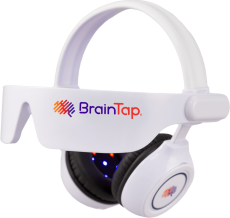
A mind-body technology device that uses guided hypnosis, binaural beats, and light therapy to interrupt negative brain patterns and promote deep relaxation — perfect for people dealing with anxiety-driven or psychosomatic symptoms that are causing Illness..
Both tools can help quiet the mental tension that contributes to physical symptoms, making them excellent entry points for mind-body healing.
I am still yet to personally try out BrainTap for Self Hypnosis but I have had heard very good things about it. If you would like to learn more you can see how this device and its mobile app work by checking out the website HERE<<
When Working With a Hypnotherapist Is Better
A trained hypnotherapist may be the best choice if:
- Your symptoms are deeply rooted in trauma
- You want personalised guidance
- You struggle to relax or “get into the zone” on your own
- You need support exploring emotional causes of illness
Professionals can tailor sessions to your specific fears, symptoms, and behavioural patterns — something recordings can’t always replicate.
Which Option Is Right for You?
Both approaches work — and both support psychosomatic healing by helping you shift internal beliefs, release stress, and stop feeding your symptoms with fear or negative thought patterns.
A simple way to decide:
- If you want privacy, convenience, and daily reinforcement → Try Inspire3 Hypnosis Bootcamp or BrainTap.
- If you need personalised emotional support → Consider a certified hypnotherapist.
Either method can help you retrain the subconscious mind, reduce the stress that worsens physical symptoms, and build a healthier, more balanced internal state.
Questions to Ask Before Choosing a Hypnotherapist
If you choose to work with a professional, ask:
- What training or certifications do you have?
- Do you specialise in weight loss or illness recovery?
- What methods of hypnosis do you use?
- How many sessions are typically needed?
- Do you offer recordings for home use?
A Simple Self-Hypnosis Exercise (Try This Daily)
- Find a quiet space and sit comfortably.
- Breathe deeply — in for 4 seconds, out for 6.
- Close your eyes and imagine a warm wave of calm moving down your body.
- Repeat suggestions like:
- “I make healthy choices with ease.”
- “My body is healing every day.”
- “I am in control of my cravings.”
- Stay here 5–10 minutes.
- Open your eyes feeling grounded and clear.
This short practice can make a significant difference when repeated consistently.
Final Thoughts
Hypnosis won’t make weight fall off overnight or instantly cure illness — but it can shift the mental and emotional patterns that influence your daily behaviour and your body’s healing ability.
When combined with healthy lifestyle habits and proper medical care, hypnotherapy becomes a powerful mind-body tool for anyone seeking deeper transformation.
If you’re ready to explore hypnosis for weight loss or recovery, start small with self-hypnosis, or consider reaching out to a certified hypnotherapist who can guide you through the process.
FAQ About Hypnosis For Weight Loss and Recovery
-
1. Can hypnosis really help with weight loss?
Yes. Hypnosis doesn’t directly burn fat, but it can help change the subconscious patterns behind overeating, emotional eating, cravings, and low motivation. By calming the mind and improving self-control, it makes it easier to stick to a weight-loss plan. Many people use hypnosis to reprogram beliefs around food, body image, and habits.
-
2. How does hypnosis help with psychosomatic illness?
Psychosomatic symptoms are physical reactions triggered by emotional stress, fear, or negative thinking. Hypnosis helps by guiding you into a relaxed, receptive state where these subconscious patterns can be changed. By reducing stress, reframing beliefs, and calming the nervous system, hypnosis may help ease tension-based symptoms and support the healing process.
-
3. Can self-hypnosis be as effective as working with a therapist?
It depends on the person and the issue. Self-hypnosis tools — like audio programs or devices such as BrainTap — work very well for building new habits, reducing stress, and reinforcing positive thoughts daily. A professional therapist is better for deep emotional or trauma-based issues. Many people benefit from using both together.
-
4. Is hypnosis safe for everyone?
For most people, yes. Hypnosis is a natural and safe mind-body technique. However, people with severe mental health conditions (such as psychosis) should consult a medical professional first. Hypnosis should always complement — not replace — medical treatment for serious illnesses.
-
5. How quickly can you see results with hypnosis?
Some people feel more relaxed and motivated immediately, while others notice changes over several weeks. Consistency is the biggest factor. Daily self-hypnosis sessions or frequent guided sessions tend to produce the best results, especially for weight loss and psychosomatic healing.
-
6. Can hypnosis stop emotional eating?
Yes — emotional eating is strongly tied to subconscious triggers like stress, boredom, or self-comfort. Hypnosis helps address these root triggers by changing how you respond to emotions and by strengthening healthier coping mechanisms. Many weight-loss hypnosis sessions specifically target emotional eating patterns.
-
7. Are hypnosis apps and audio programs effective?
They can be very effective, especially for beginners who want structured guidance at home. Programs such as Inspire3 Hypnosis Bootcamp provide targeted sessions for weight loss, confidence, stress, health, and more. Tools like BrainTap combine hypnosis with sound frequencies and light therapy for deeper relaxation.
-
8. Can hypnosis help reduce stress-related symptoms?
Absolutely. Stress is one of the biggest contributors to psychosomatic symptoms. Hypnosis calms the nervous system, reduces cortisol, and trains your brain to respond differently to stressful thoughts. This can lead to real physical improvements — better sleep, fewer tension headaches, reduced stomach issues, and more.
-
9. How often should I practice self-hypnosis?
Most experts recommend daily or near-daily practice for the first 21–30 days. This helps reinforce new subconscious patterns. Even 10–15 minutes per day can make a noticeable difference in motivation, mindset, and stress levels.
-
10. Can hypnosis help with recovery from chronic illness?
Hypnosis cannot cure disease, but it can support recovery by improving sleep, reducing stress, easing pain, and promoting a more positive mental state — all of which influence healing. Many hospitals use hypnosis for pain management, surgery recovery, and anxiety reduction.




alzheimer disease therapy amazon bean products bean products bean bags bean products bed pillows bean products bolster bean products chicago bean products coupon code bean products decorative accent pillows bean products shredded foam bean products usa bean products yoga Dream Diaries energy healing guided meditation for cancer guided meditation for cancer healing guided meditation for cancer patients how to lucid dream Law of Attraction Light and Sound Machine lucid dream herbs Manifestation Marcus Aurelius Marcus Aurelius Meditations Marcus Aurelius Most Famous Quotes meditation meditation alzheimer meditation alzheimer prevention meditation alzheimers meditation dementia meditation for cancer healing meditation for memory loss meditation memory meditation memory loss mr bean new products pre dementia reiki alzheimer reiki dementia reiki distance healing remote viewing exercises free remote viewing future remote viewing future predictions remote viewing gambling The Source third eye meditation transcendental meditation for cancer